Motion Design
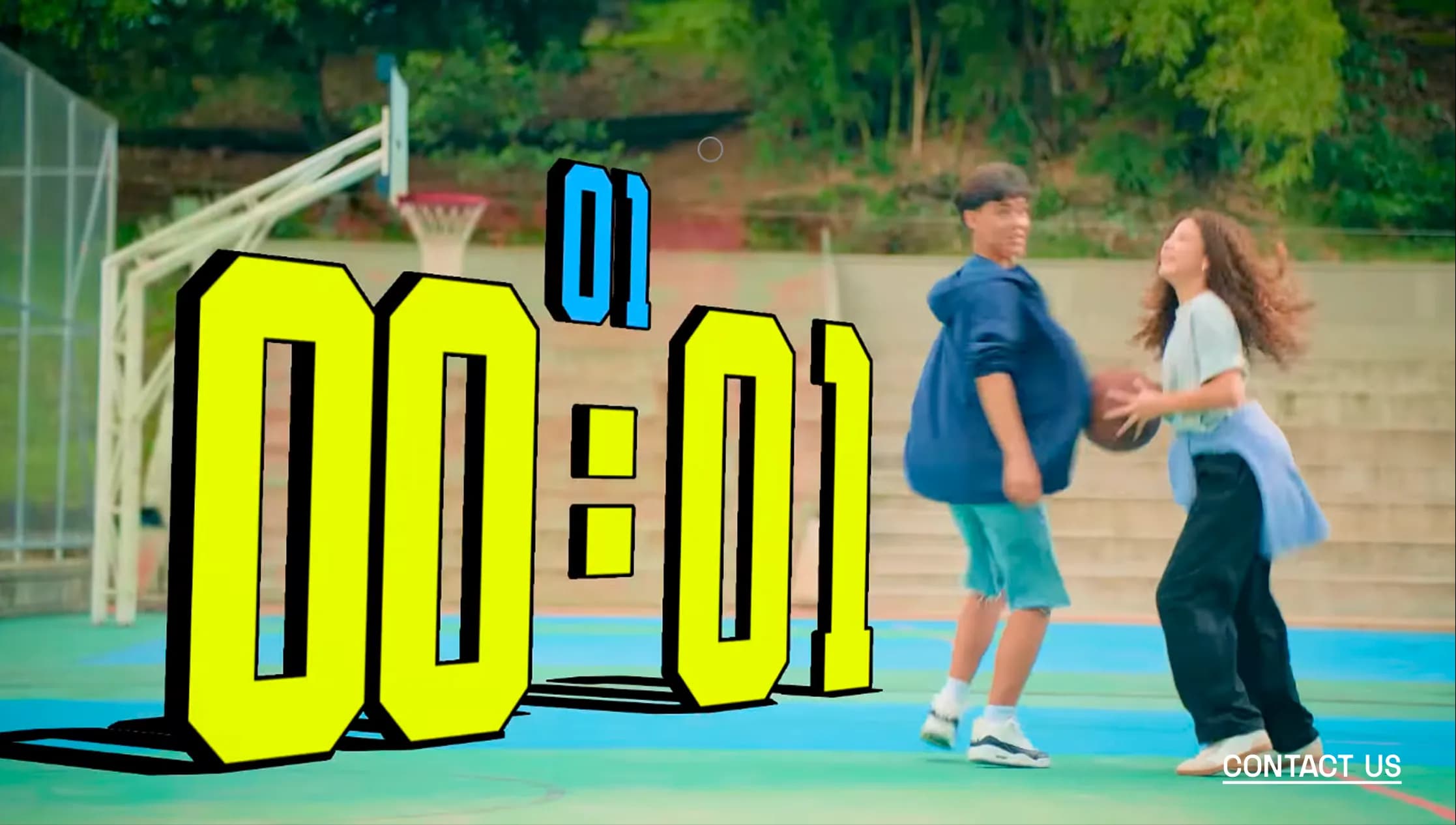
Movement as a language, in 2D and 3D. Social content, title sequences and full brand motion systems. Every transition and every timing decision is a decision, not a default.
Visual design carries most of what we make: motion design, 2D and 3D animation, CGI, VFX, live action and art direction. The industry treats shooting and post as two jobs handled by two companies. We treat them as one, which is why a single project can move between a real camera and a full render without anyone noticing the seam.
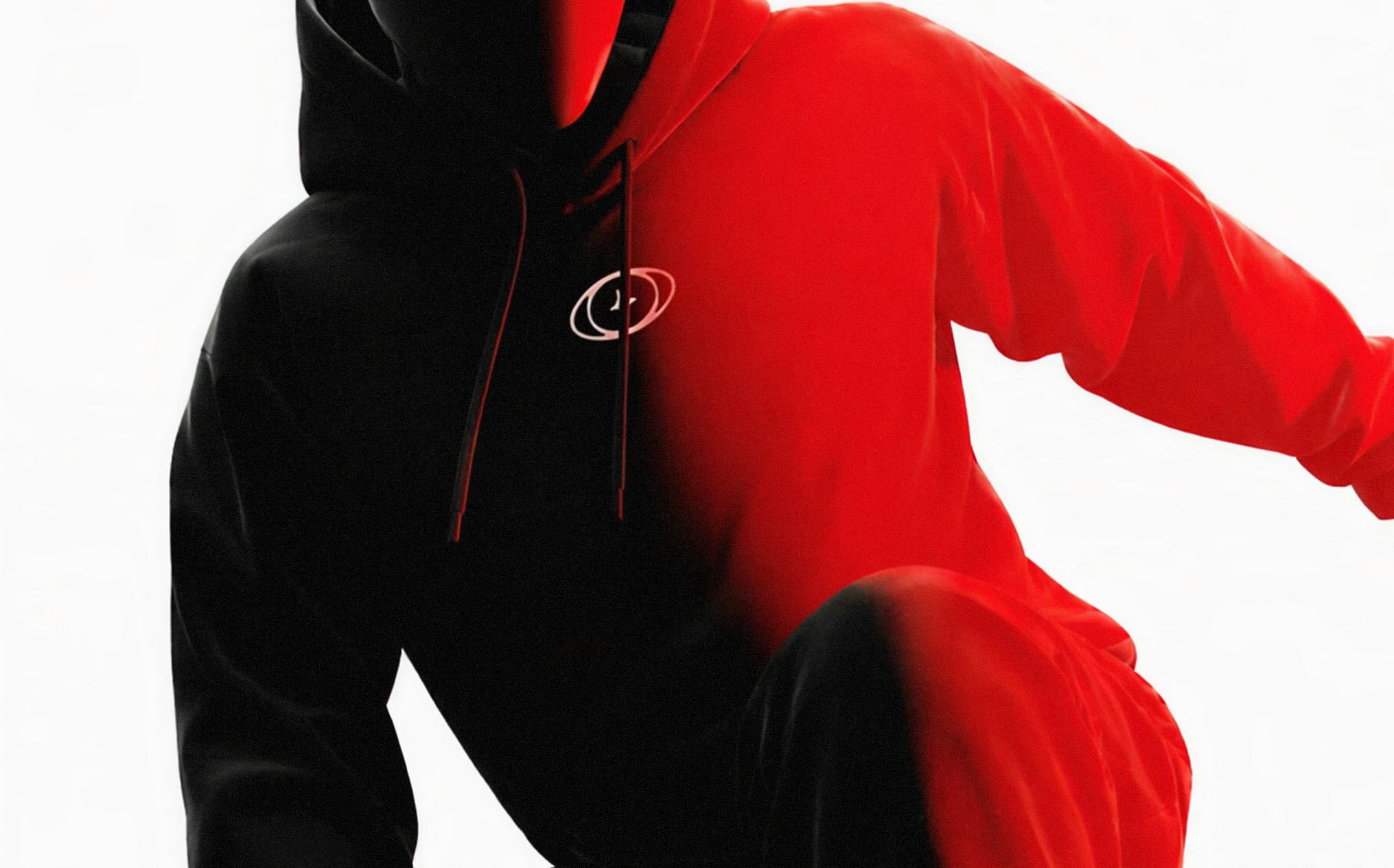
Most of this work ships out of Medellin, with a second office in Miami, to brands in more than thirty countries. A Cannes Lion, three Clio Awards, two New York Festivals awards, a D&AD Award and a Latin American Design Award. The industry still assumes frames like these come out of New York, London or Los Angeles. These did not.
A campaign gets conceived by one team, shot by a second and finished by a third. Every handover is a translation, and every translation loses something. By the time the grade is approved, the thing that made the idea worth making has usually been negotiated away, one reasonable compromise at a time.
We run concept, direction, production and post in one pipeline. A frame gets art directed to the same standard whether it came out of a lens or out of a render, and nobody has to defend the original intention to a vendor who was not in the room when it was formed.
That is also why we do not think of CGI as the cheap alternative to a shoot. It is a different set of physics.
Not savings. Freedom from the physical.
Every material gets built rather than borrowed from a photograph, so the camera can sit closer than a product shoot would ever allow. There is no lens, no rig and no set standing between the frame and the surface. Lighting can change without a reshoot. A material can be reconsidered on a Tuesday.
The trade is real and worth stating plainly: you pay in modelling time upfront in exchange for unlimited angles afterwards. On a single hero image that trade is usually bad. On a campaign, a product line or an asset library it is usually excellent.
Movement as a language, in 2D and 3D. Social content, title sequences and full brand motion systems. Every transition and every timing decision is a decision, not a default.
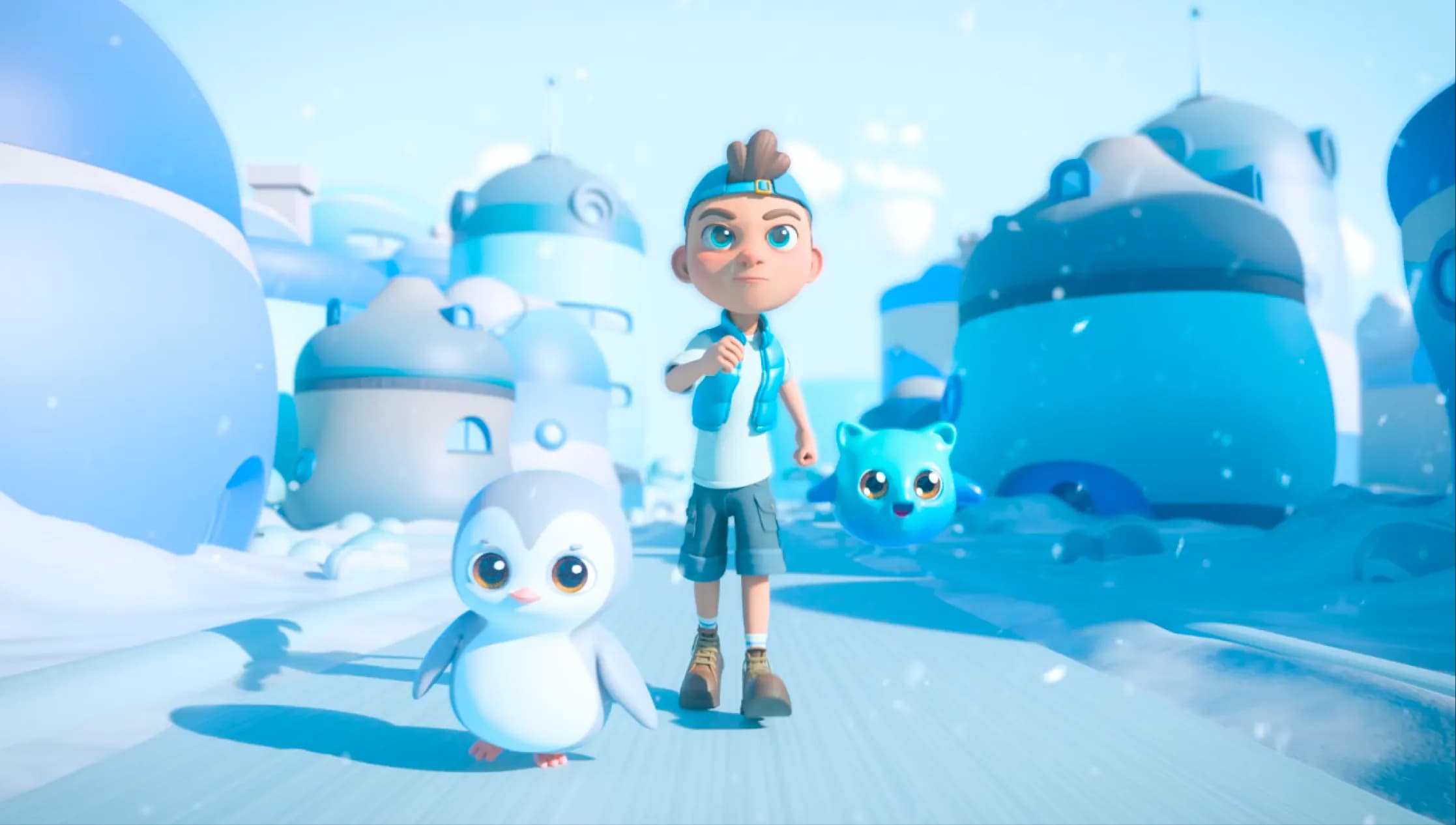
Character animation, motion narratives and animated brand worlds. Frame by frame illustration at one end, full 3D simulation pipelines at the other.
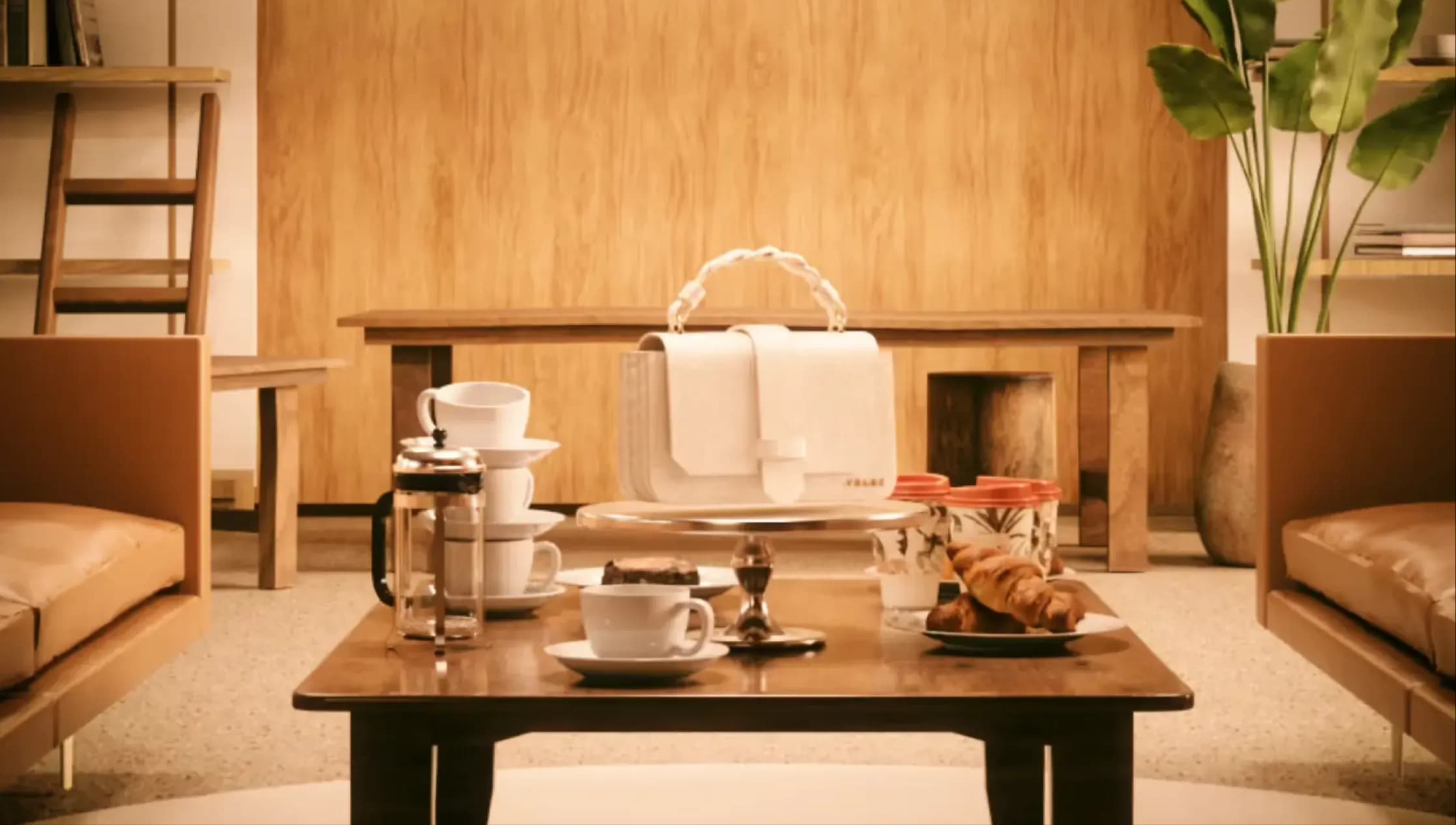
Photorealistic product renders, environments and complete visual worlds built entirely in 3D.
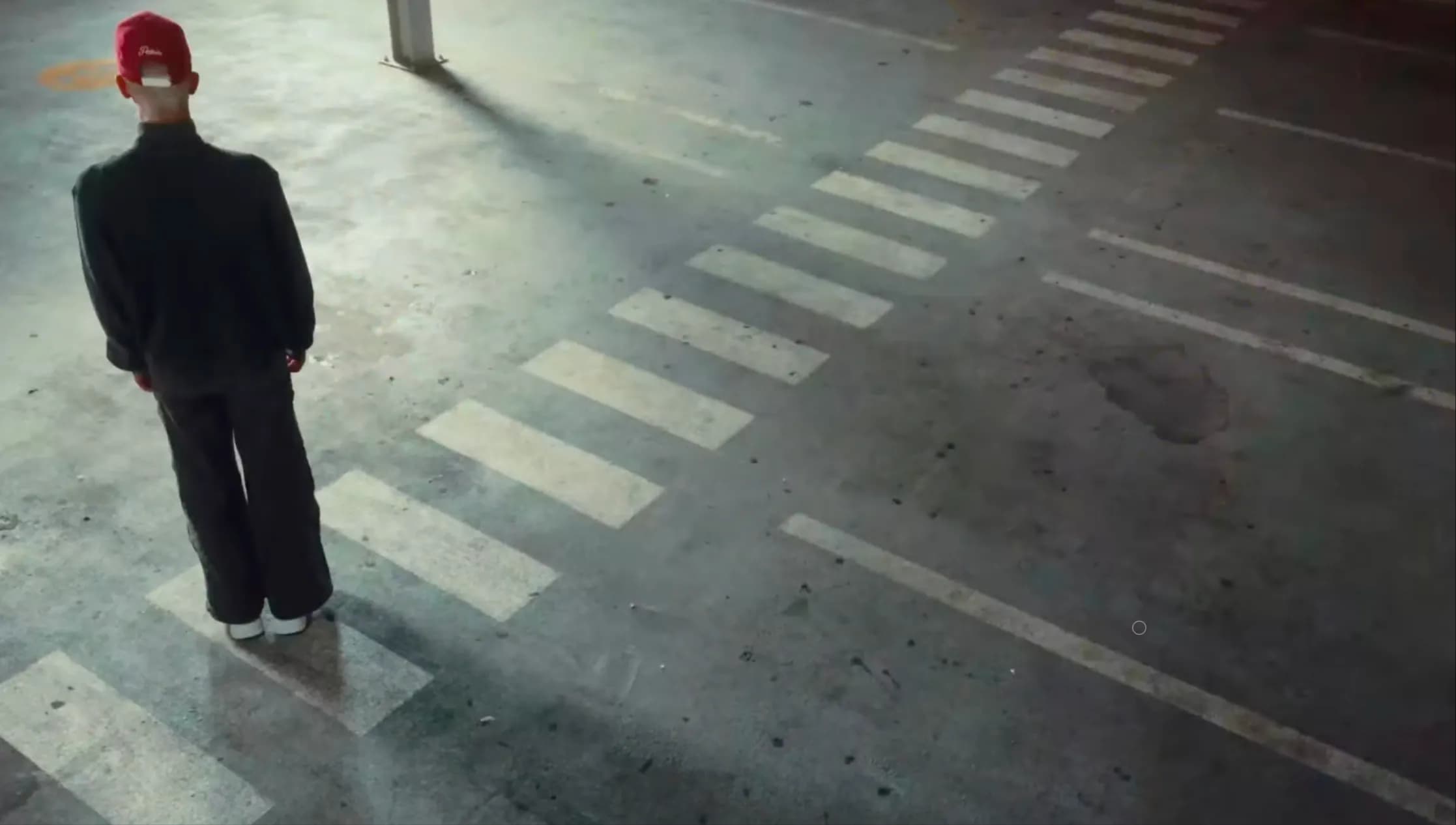
Real cameras, real locations. Campaign films and brand documentaries, art directed to the same standard as the CGI work.
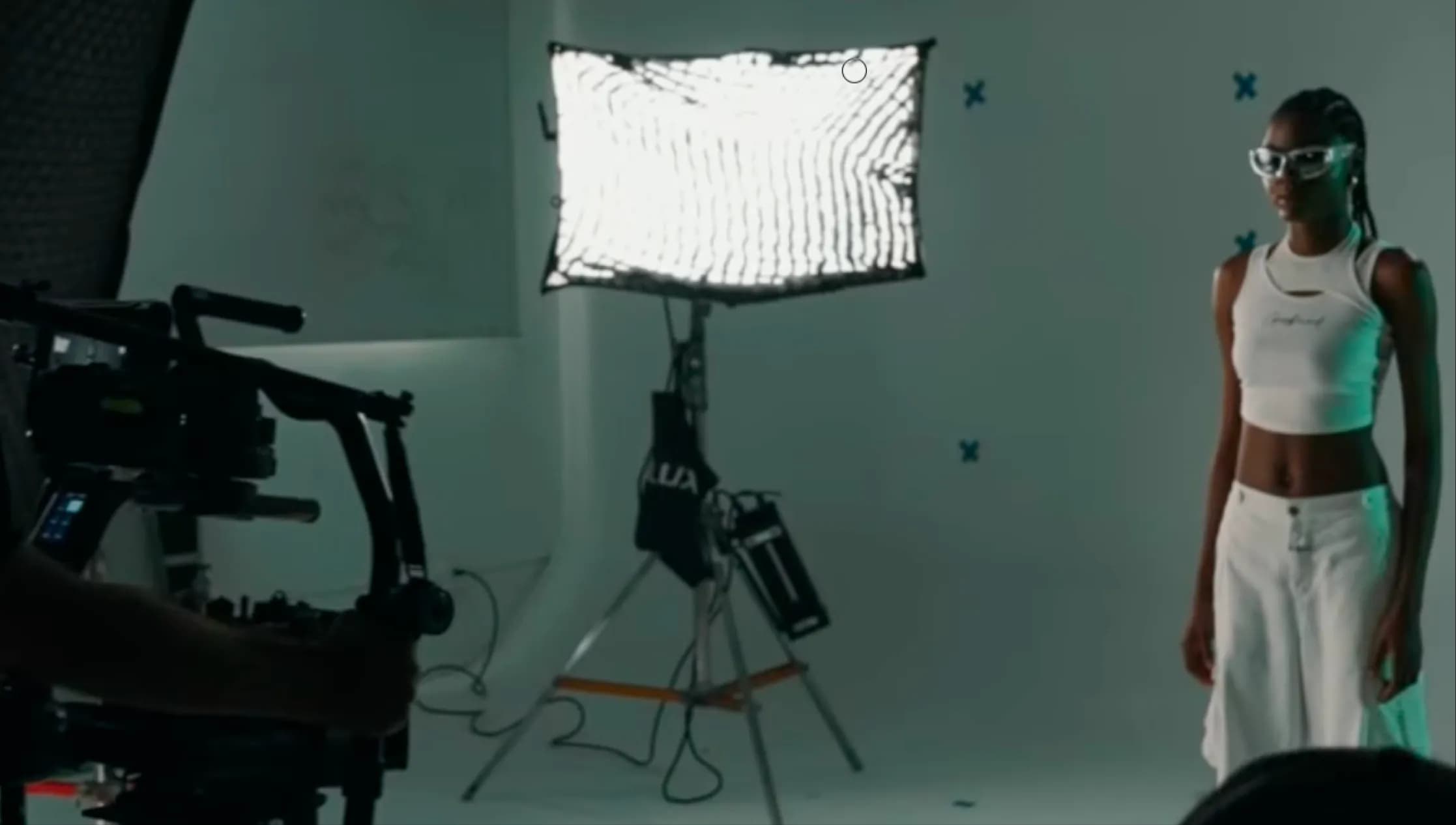
Set design, colour, composition, styling and light, applied at frame level across photoshoots, film and CGI.
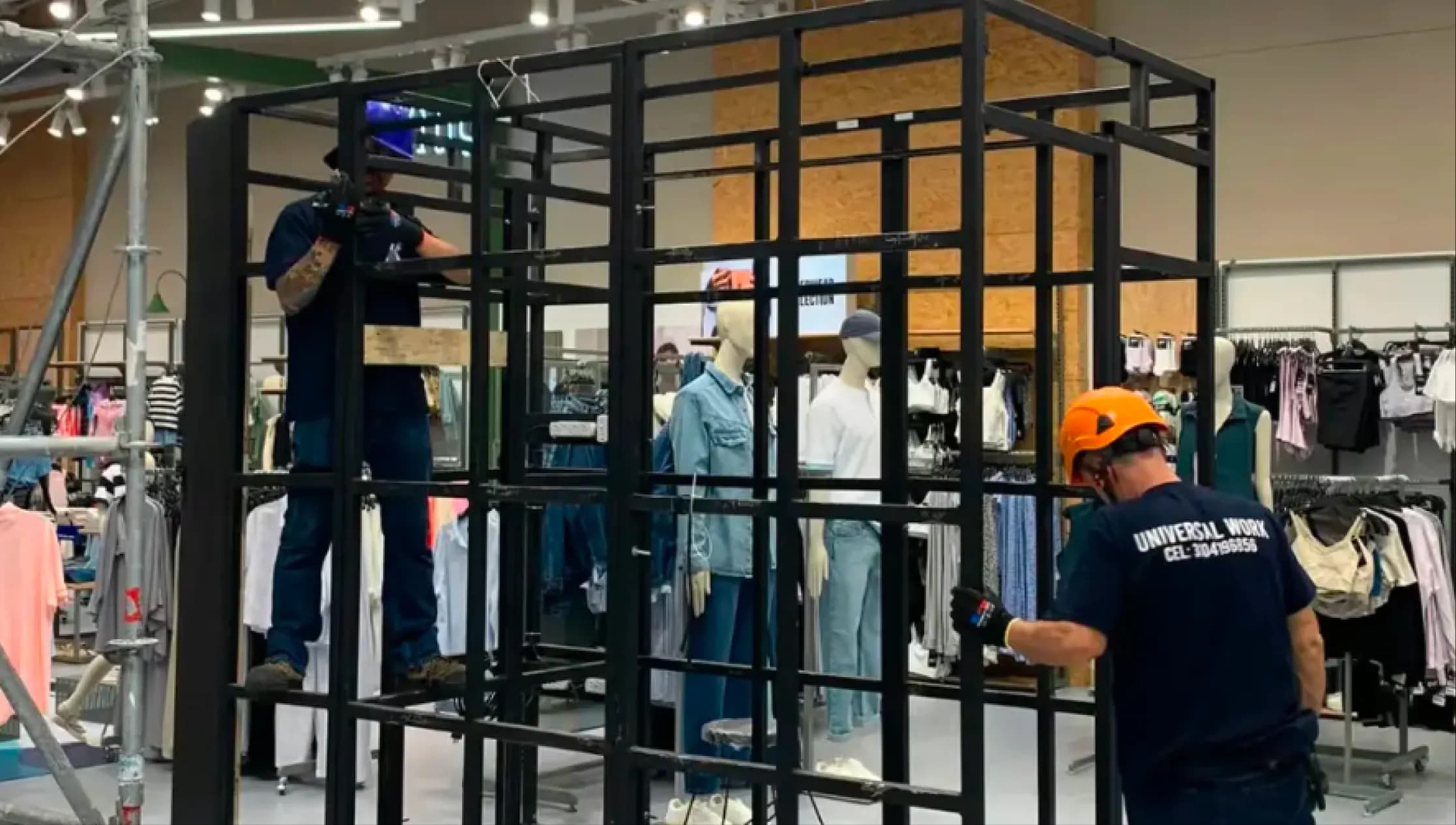
Physical and digital activations, interactive installations and live event production.
Every surface gets built rather than borrowed, so the camera goes where a lens cannot and lighting stays editable to the last day. The test is close inspection. If a render only works wide, it is not finished.
Every surface gets built rather than borrowed, so the camera goes where a lens cannot and lighting stays editable to the last day. The test is close inspection. If a render only works wide, it is not finished.
Blender
Higgsfield
Cinema 4D
Adobe Suite
Houdini
Figma
Maya
DaVinci
Redshift
Three.js
Claude
LottieFiles
And much more...
Some projects arrive with a brief. Most arrive as a problem: a launch with no assets, a product nobody can photograph yet, a format that does not exist. Either one is enough to start.
Source files, references, constraints and whatever already exists get audited before anything is promised. On large projects discovery runs as its own contract, because a fixed unit price quoted before it is a guess wearing a number.
We present the direction we will defend, not a menu of three. A studio that shows three options has not decided yet, and the client ends up doing the directing.
Shoot, build, post and delivery, in one team. Production is scoped and priced apart from creative, because one is a fixed scope and the other moves with crew, venue and vendors. QA runs daily through the build rather than once at the end.
Some projects arrive with a brief. Most arrive as a problem: a launch with no assets, a product nobody can photograph yet, a format that does not exist. Either one is enough to start.
Source files, references, constraints and whatever already exists get audited before anything is promised. On large projects discovery runs as its own contract, because a fixed unit price quoted before it is a guess wearing a number.
We present the direction we will defend, not a menu of three. A studio that shows three options has not decided yet, and the client ends up doing the directing.
Shoot, build, post and delivery, in one team. Production is scoped and priced apart from creative, because one is a fixed scope and the other moves with crew, venue and vendors. QA runs daily through the build rather than once at the end.