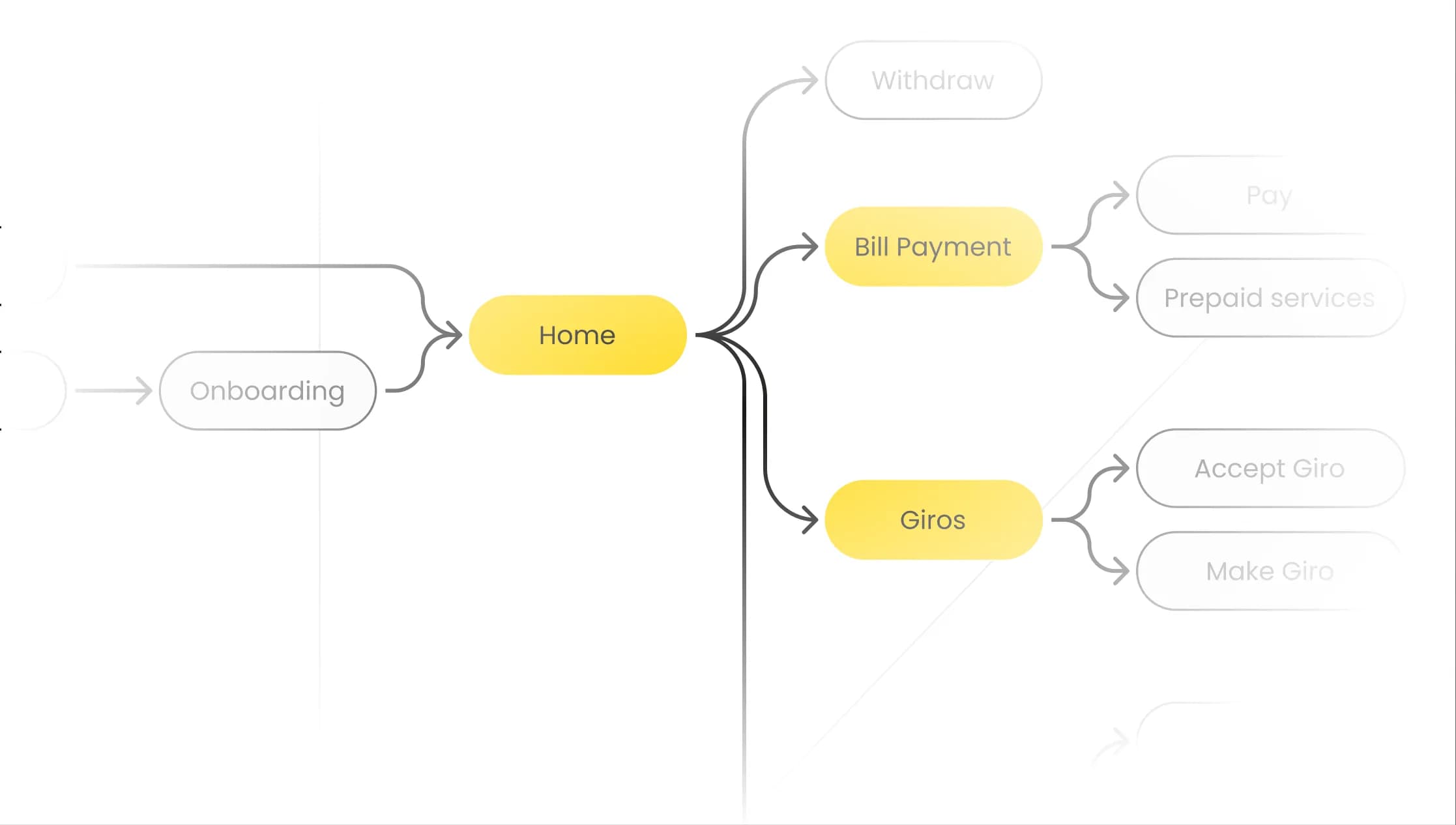
UX/UI design
Interfaces for apps, platforms and web products, built as systems: user flows, visual language and interaction patterns that hold up as the product grows.
We design and build digital products: interfaces, websites, mobile apps, web applications and playable experiences. What separates this from a pure product shop is that the same studio makes the brand and the motion, so the interface arrives already knowing how the brand behaves instead of interpreting a PDF.
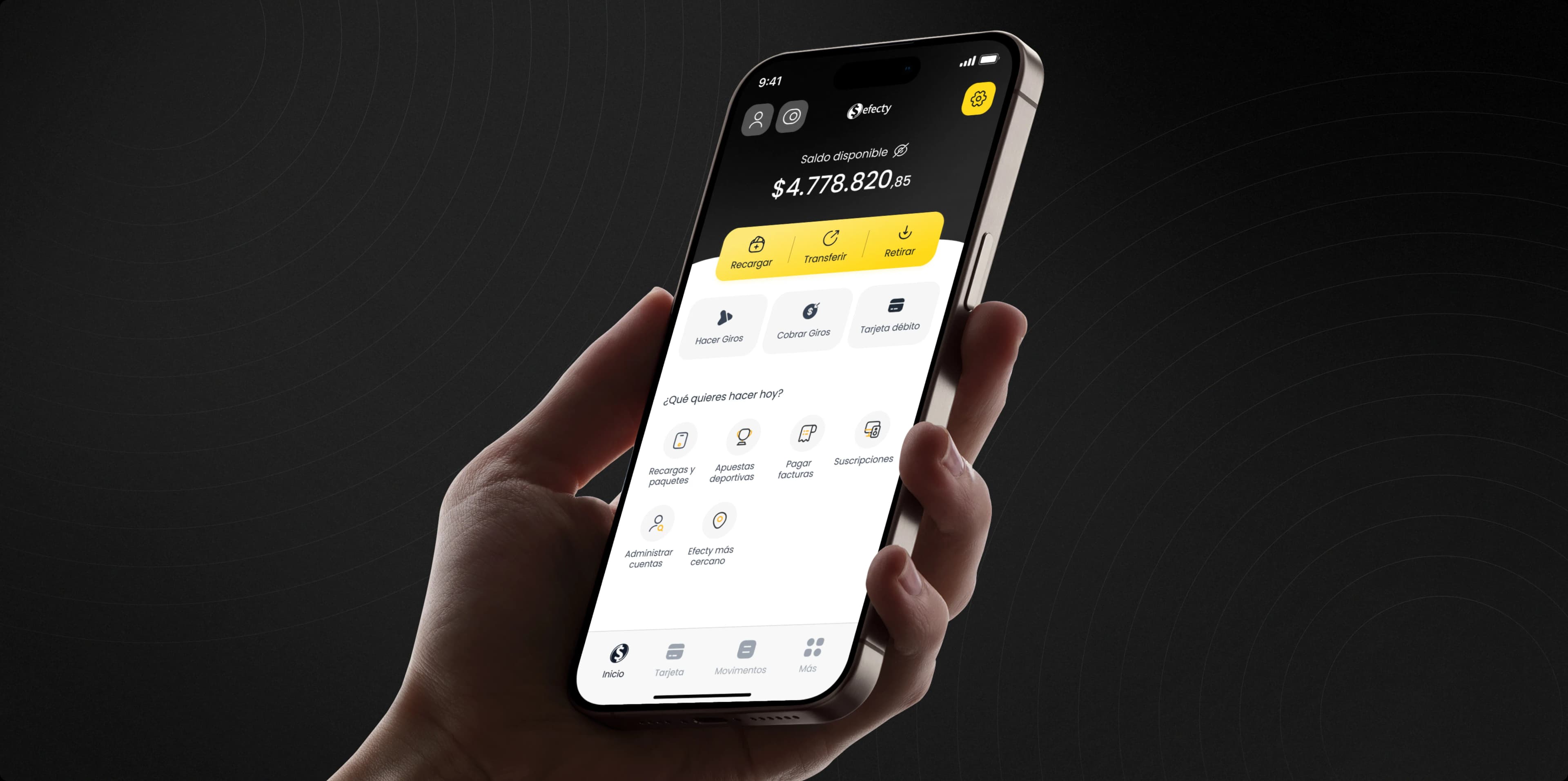
Colombia sits within an hour of Eastern Time all year, so a build from our Medellin studio does not lose a day to every round of feedback with a team in the United States. The second office is in Miami. The wallet we redesigned for Efecty serves thirty two million people. Products across Latin America carry loads like that routinely. Scale here is not a hypothetical.
The usual arrangement is that a branding studio hands over guidelines and a product team builds against them. The guidelines describe how things look. They rarely describe how things behave, because the people who wrote them do not build interfaces.
So the product team invents the behaviour. Transitions, states, timing, the way a panel arrives. None of it is in the document, all of it is brand, and it gets decided by whoever is nearest the deadline.
We do both jobs. The motion language and the interface come out of the same studio, which removes an entire category of decisions that usually get made by accident.
Not against what is fastest to build. A site a marketing team cannot edit is a site that goes stale within a quarter, and a stale site costs more than the build ever saved.
Next.js with Payload CMS for websites and content driven platforms, where performance and a content model the client actually owns both matter. Webflow when the priority is a marketing team shipping without a developer, which is a different requirement rather than a lesser one. PixiJS for interactive and playable work.
Interfaces for apps, platforms and web products, built as systems: user flows, visual language and interaction patterns that hold up as the product grows.
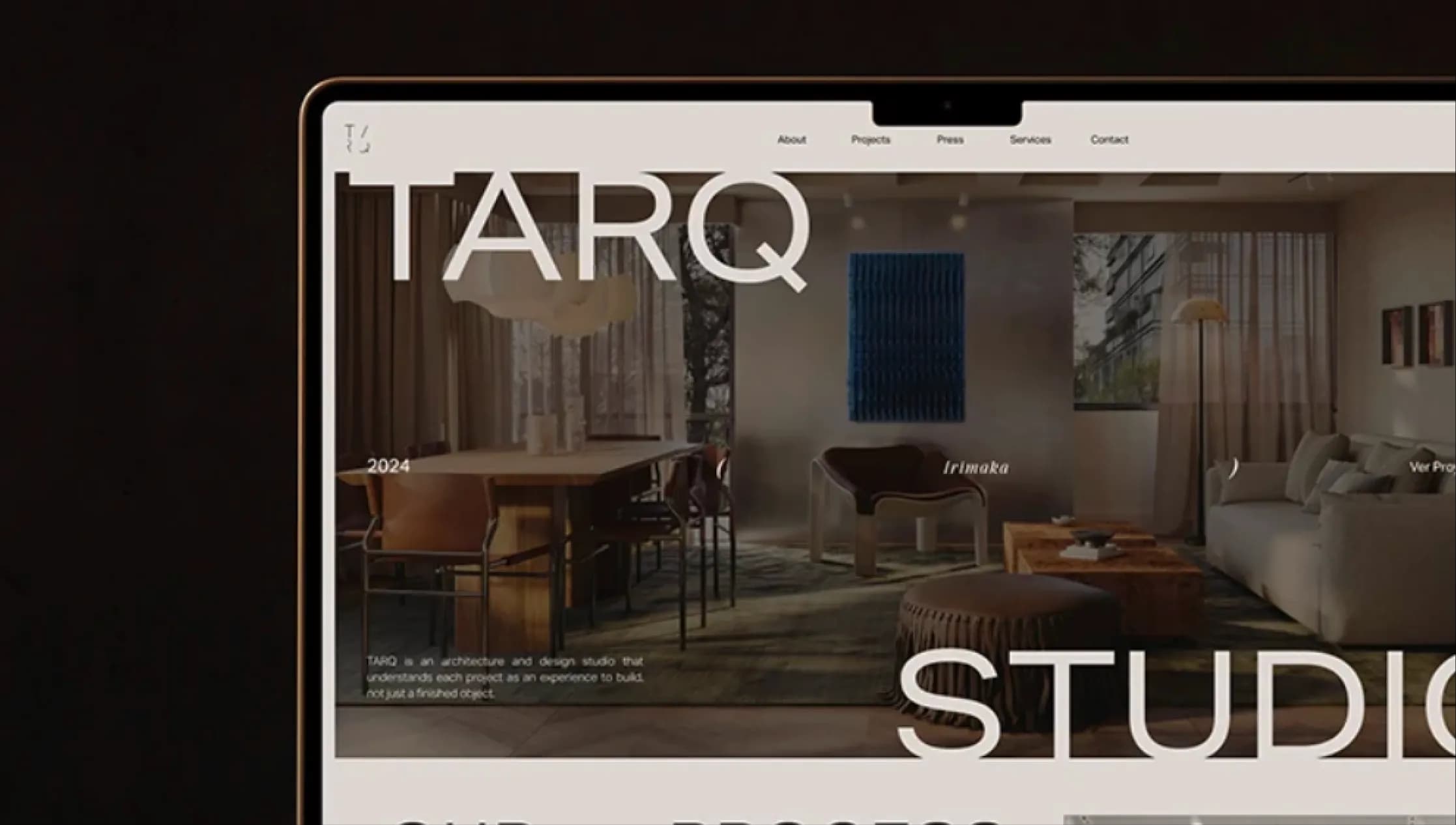
Design, copy architecture, development and deployment.
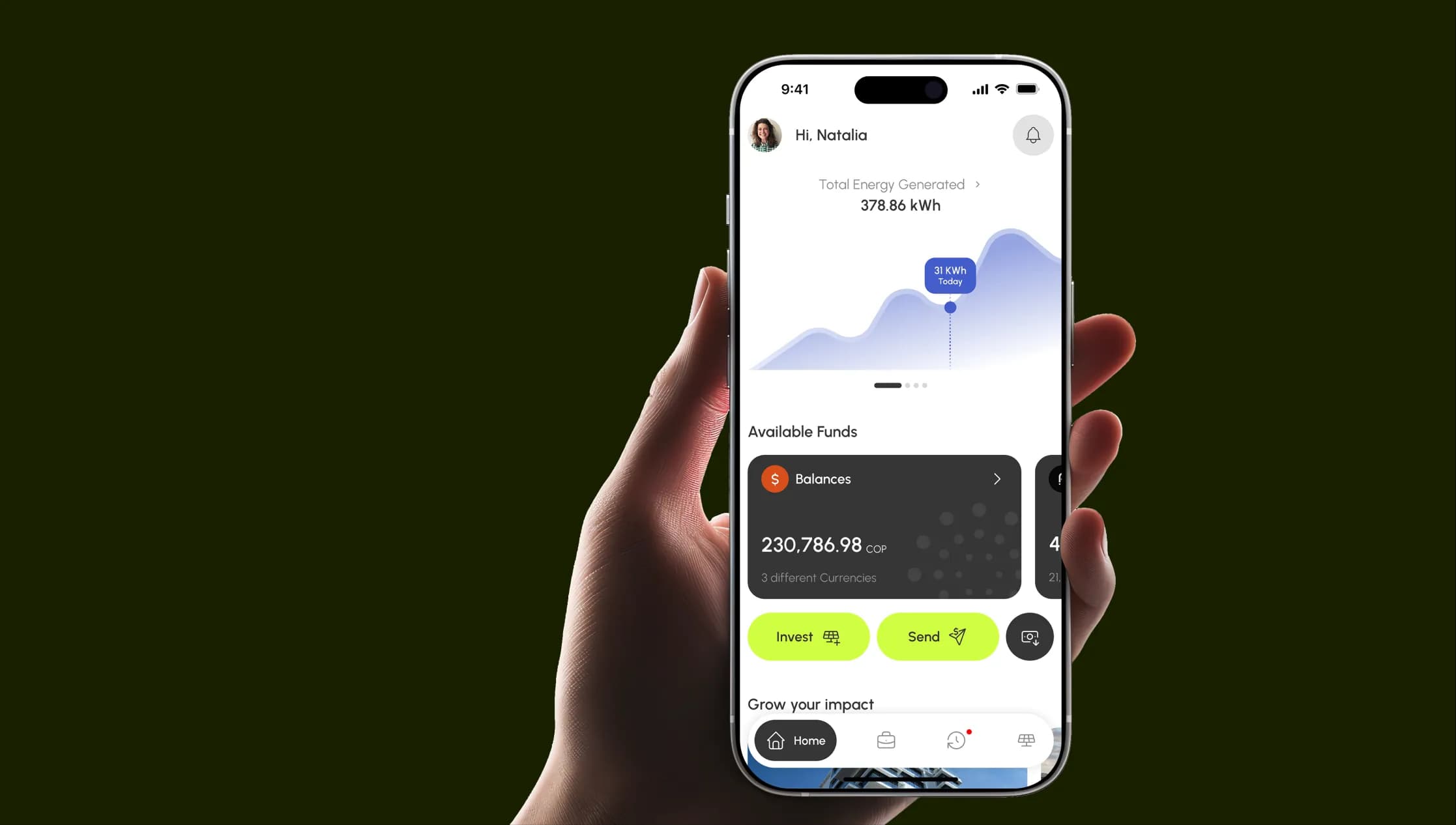
Native and cross platform mobile applications, with research, product strategy, UI and development running together instead of in sequence.
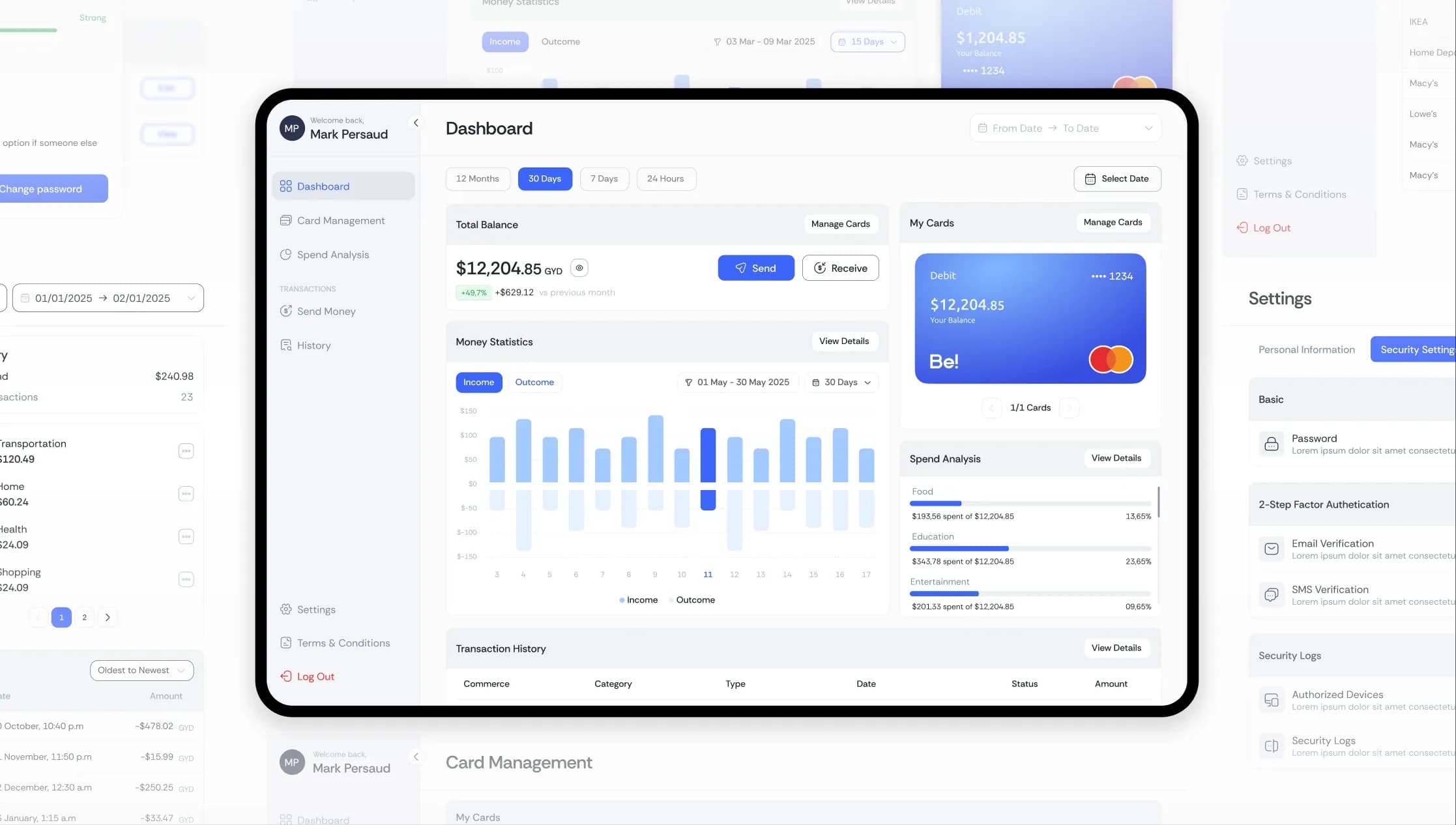
Dashboards, internal tools and platforms carrying real operational load without giving up craft or brand.
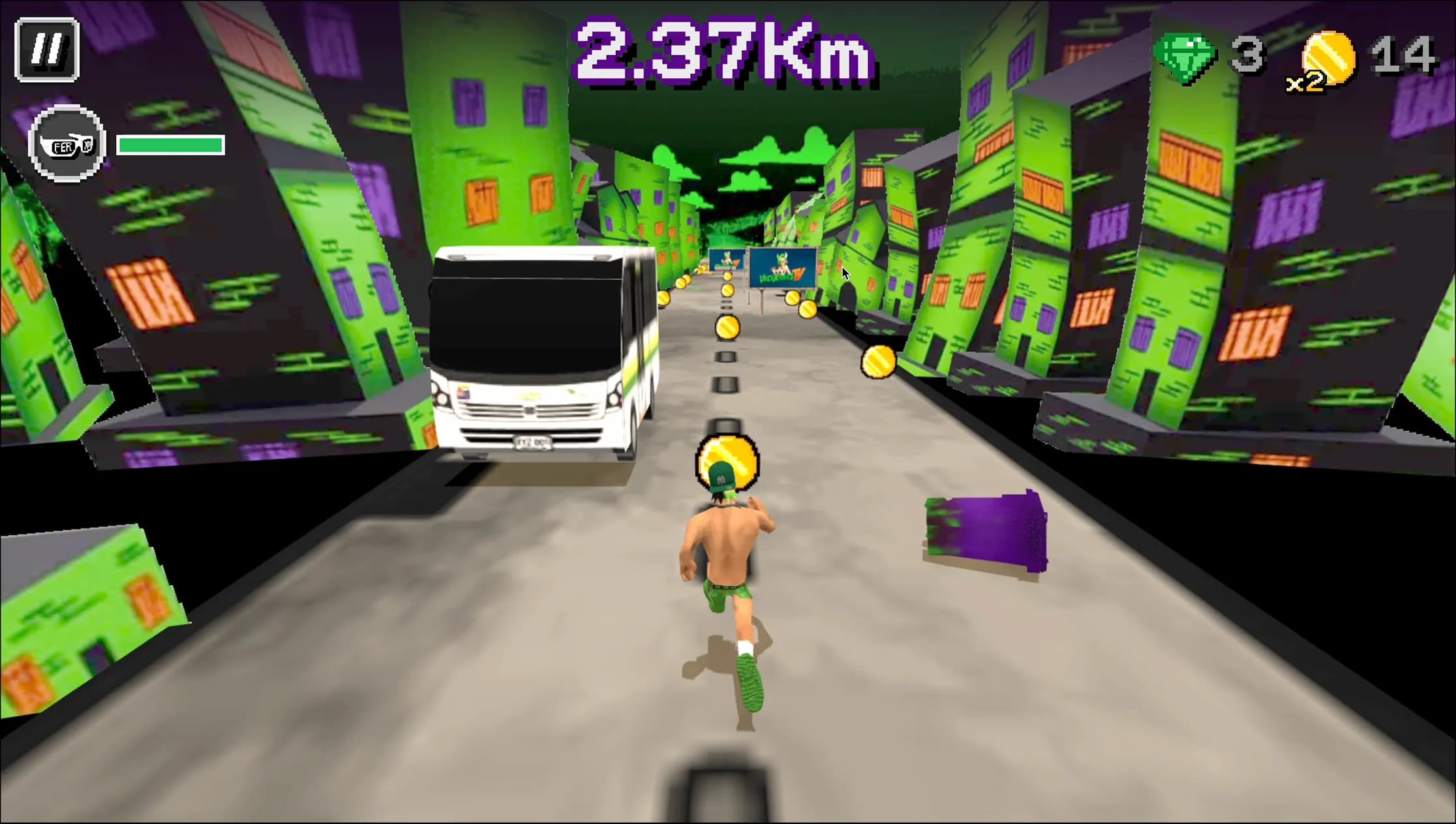
Branded mini games and gamified activations. We have shipped playable work for major fashion campaigns.
Standalone closed projects, structured as consulting.
They are a business nobody mapped. An operation that cannot sustain the thing being designed. Stakeholders who agree in a room and diverge the moment you interview them alone. A success metric defined after launch, when it is too late for it to have shaped anything.
User research finds none of that, because the user was never the one who knew. So discovery starts with the company: inceptions, stakeholder interviews and service blueprints run before a single participant is recruited, and they routinely change what ends up being tested.
What this actually has to do for the business
Stakeholder interviews, run separately. A room converges. The same people alone do not, and the gap between those two is the real brief.
Whether the company can sustain it after launch
Service blueprint across the teams who will operate it. Most products are not designed badly, they are designed for an operation that does not exist.
Which assumptions the plan is resting on
Assumption mapping in an inception session. The riskiest one gets tested first, not the easiest one.
What success will be measured by
Agreed before design starts, with the number that has to move. A metric chosen after launch explains a result. It never shapes one.
What you need to know
How we find out
What this actually has to do for the business
Stakeholder interviews, run separately. A room converges. The same people alone do not, and the gap between those two is the real brief.
Whether the company can sustain it after launch
Service blueprint across the teams who will operate it. Most products are not designed badly, they are designed for an operation that does not exist.
Which assumptions the plan is resting on
Assumption mapping in an inception session. The riskiest one gets tested first, not the easiest one.
What success will be measured by
Agreed before design starts, with the number that has to move. A metric chosen after launch explains a result. It never shapes one.
Whether people can complete a task
Moderated usability testing, five to eight per segment. It shows where they fail, never whether they wanted it in the first place.
Whether the idea is worth building
In depth interviews before anything gets designed. What someone says they would do is weak evidence, so we ask what they did last time instead.
Where people drop off, and whether people can find things
Unmoderated tasks and analytics for the where, tree testing and card sorting for the structure. The second is the cheapest fix in the project.
Whether it works for everyone
Accessibility audit against WCAG, run inside QA rather than sold as a separate line.
What you need to know
How we find out
Whether people can complete a task
Moderated usability testing, five to eight per segment. It shows where they fail, never whether they wanted it in the first place.
Whether the idea is worth building
In depth interviews before anything gets designed. What someone says they would do is weak evidence, so we ask what they did last time instead.
Where people drop off, and whether people can find things
Unmoderated tasks and analytics for the where, tree testing and card sorting for the structure. The second is the cheapest fix in the project.
Whether it works for everyone
Accessibility audit against WCAG, run inside QA rather than sold as a separate line.
Next.js
Framer
Payload
N8N
Shopify
Railway
Webflow
Python
Three.js
Azure
Swift
AWS
React
And much more...